Skip to content

Types of skydiving simulators

Each family of devices targets a specific phase of the jump. None covers it all; they complement each other within a supervised progression.

Virtual-reality canopy flight simulators

The user hangs in a harness, wears a VR headset and operates brake toggles linked to a flight model. The software renders terrain, wind and canopy behaviour.

Benefits

  • Practice of the landing pattern and landing
  • Learning orientation and reading the terrain
  • Configurable scenarios: wind, landing area, obstacles
  • Every session can be replayed and debriefed

Limitations

  • Flight-model fidelity depends on the software and the canopy type simulated
  • Real forces in toggles and harness are absent or simplified
  • Risk of discomfort (simulator sickness) for some users
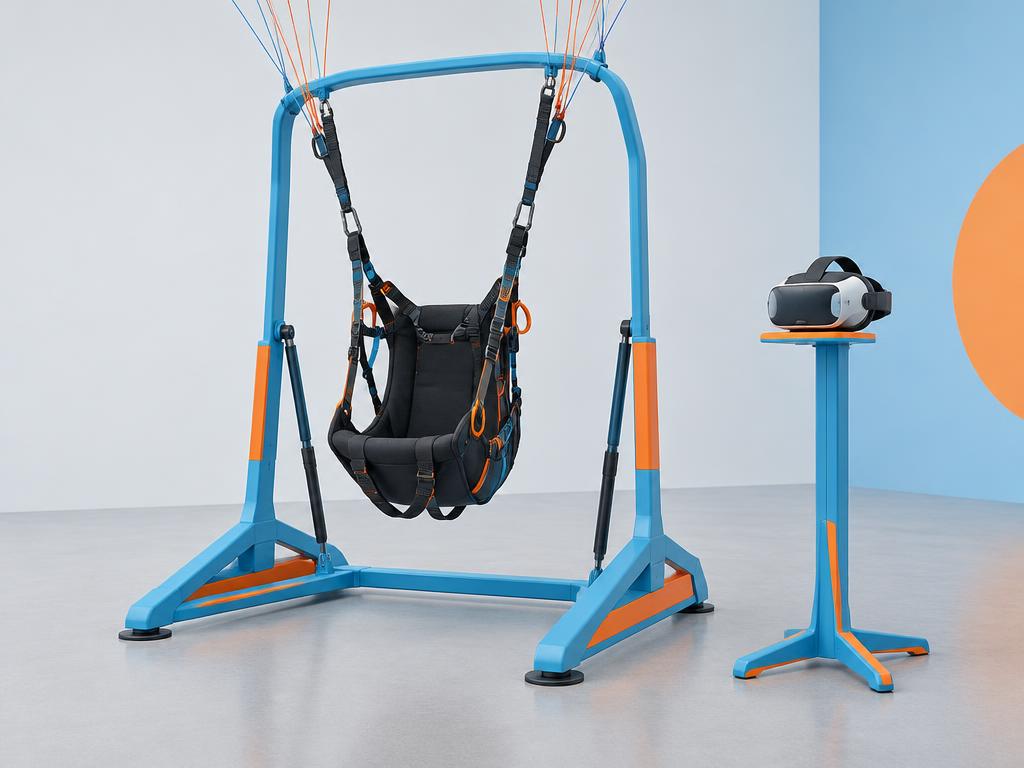
Suspension rig and VR headset, unoccupied

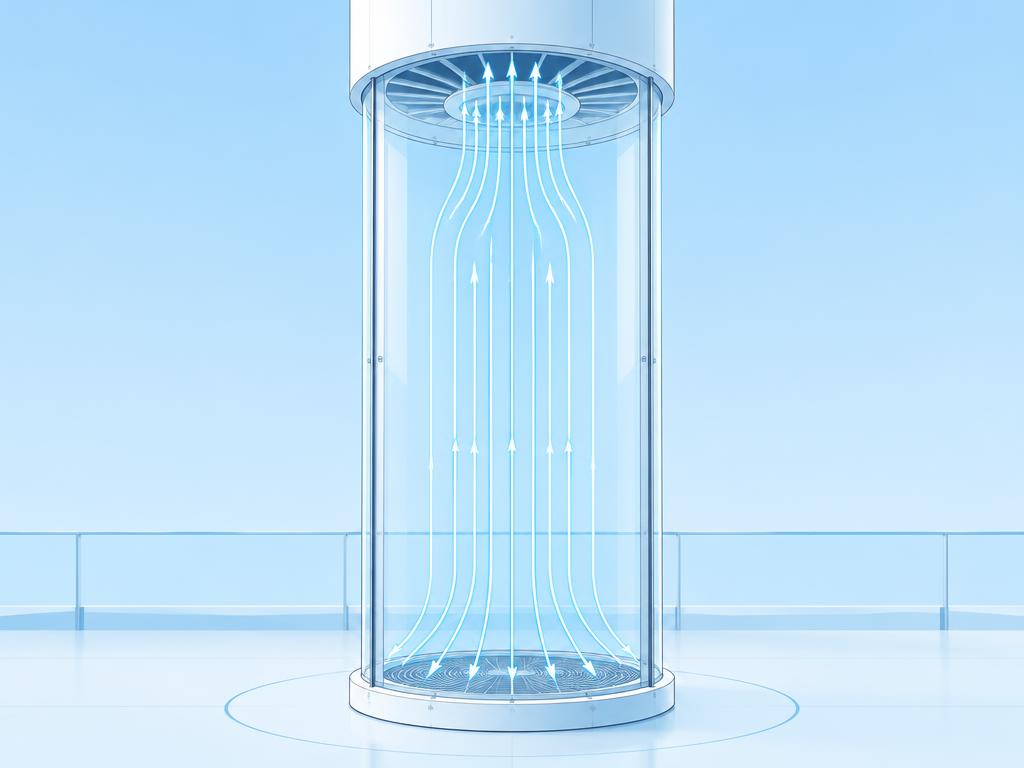
Vertical wind tunnel (indoor freefall)

An upward airflow generates enough lift to keep a person airborne. This is real flight in an airflow, not a digital simulation.

Benefits

  • Work on freefall body position and stability
  • Learning movement, turns and relative work
  • Accumulated flight time far exceeding that of a single jump
  • Direct coaching by an instructor in the flight chamber

Limitations

  • Does not cover aircraft exit, deployment or canopy flight
  • Visual environment and altitude cues differ from the real sky
  • Heavy infrastructure: typically used by renting time slots
Illustration of an empty vertical wind tunnel chamber

Emergency-procedure simulators

From hanging harnesses to interactive devices, these tools are used to rehearse the emergency procedures taught: identifying a malfunction, deciding, cutaway and reserve deployment actions.

Benefits

  • Making emergency actions automatic through repetition
  • Practising malfunction recognition and decision-making
  • Can be used on the ground, before each return to activity

Limitations

  • Only partial reproduction of real forces, positions and stress
  • Procedures taught must match the school's and the equipment in use
  • Never replaces the briefings and checks required by instructors